
We talked with Kenjiro Kirton, co-founder of Hato, the London and Hong Kong-based creative agency, about the importance of finding the right balance between the conceptual foundations and the personality of the project, cooking sessions with your team, and how design can be a social catalyst.
- Hatohato.co
- London & Hong KongUnited Kingdom & Hong Kong
- Small studio2-10 people
- June 9, 2026
Images Courtesy of Hato
- Grilli Type
How do you explain what you do to someone encountering Hato for the first time?
- Hato
We’re a design studio working predominantly in arts and culture. Often people are more familiar with Hato Press than Hato, so we usually have to mention both together.
Over time we’ve learnt that saying less is often more. What we do continues to evolve, and the scope is quite broad, from branding and campaigns to apps, websites, book design, publishing, and exhibition design.

- Grilli Type
When you realized the studio’s ambitions were growing beyond print?
- Hato
Print was the first, largely because it was immediately available to us at university. We worked as resident printers in the letterpress studio, and the screen-printing workshops became like a second home. As graduation approached and access to those facilities was coming to an end, we discovered risograph printing — something we could literally fit into my bedroom. Suddenly, we were able to print, publish, and distribute our own editions of publications.
A few years later, when websites still felt relatively new and Internet Explorer was still around, we began experimenting with code and digital experiences, exploring what the codex of a website could be.
At the time, our practice involved collaborating with youth groups on zines, artworks, playgrounds, and large-scale graphics. We realised that the process was not really about imposing our own vision for a final design. Instead, achieving the best outcomes depended on creating the right learning environments and designing tools that could shape and inform the visual language of a project.
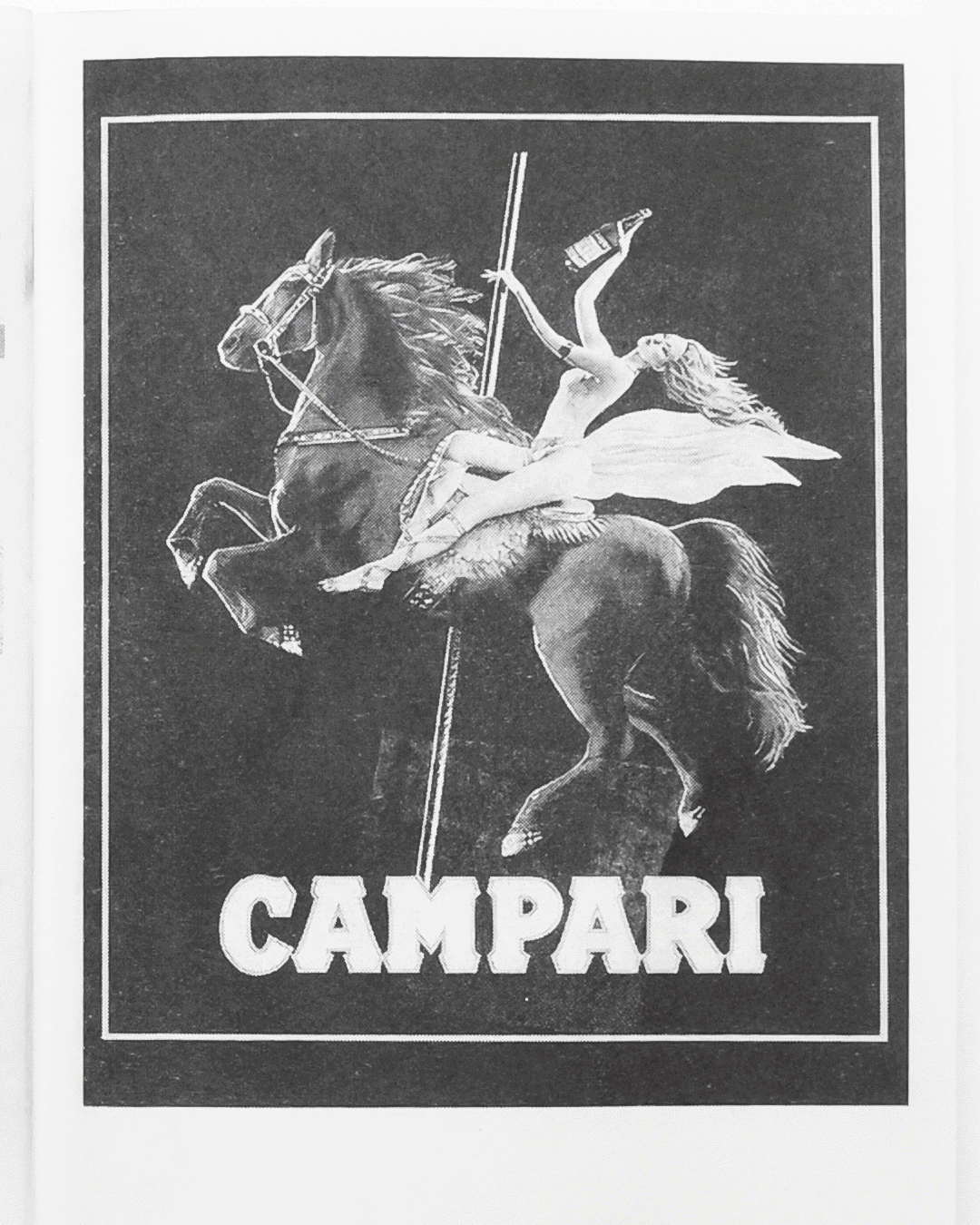
Typography is one of the clearest examples for me — how the angle of a brush influences lettering, or how the hammer and chisel gave rise to serifs. Digital tools opened up similar possibilities. They allowed us to design bespoke systems while also introducing layers, motion, and evolving databases of visual material into the process.
- Grilli Type
Hato has been working with New Contemporaries, the organisation supporting emerging artists in the UK, for nearly a decade. How do long-term client relationships like that shape the way you work? Does familiarity make the design process easier?
- Hato
This is an interesting one, because our relationship with New Contemporaries has evolved alongside the organisation itself. Initially, we designed three years of catalogues, but when COVID arrived the nature of the work shifted quite naturally. As physical activity paused, we began creating digital platforms and experiences, something we could deliver entirely in-house. That transition changed the relationship.
Over time, our role became less about being an external design studio delivering individual outputs and more about acting as a collaborative partner. Together with the team at New Contemporaries, we began asking broader questions: what is the most impactful way to support emerging artists, and how can their work reach the widest possible audience?
Familiarity does not necessarily make the design process easier, but it makes it deeper. Long-term relationships create trust, and trust allows for more honest conversations, more experimentation, and a stronger shared understanding of goals. Last year, we collaborated with the team to define a clearer foundation of values and tone of voice, which ultimately informed the development of a new visual language.

- Grilli Type
With studios in London and Hong Kong, do both offices follow a shared methodology?
- Hato
We are like a clone but in a different multiverse.

- Grilli Type
Tell us about how you choose a typeface for each project?
- Hato
Our process usually begins with research and following where that leads us. We spend a lot of time collecting references and understanding the wider context around a project before thinking too much about the final aesthetic.
During that process, certain visual cues or moments in design history begin to stand out –like how typography has been shaped by a tool, a technology, or a particular cultural moment. Those references often become a starting point for building the typographic framework and wider visual language. From there, it becomes about finding the right balance between those conceptual foundations and the tone and personality of the project, so the final outcome feels both grounded and relevant.
- Grilli Type
We love Hato Press’ Studio Cookbook series, and the Cooking with Scorsese books. Tell us more about HATO’s relationship with food and print.
- Hato
We’ve always been interested in how food and design can be social catalysts. Before we moved into our new studio, we would all cook for one another every day. It was a chance for us to put down our tools and catch up personally. We’ve also always been drawn by the idea of cooking for a group and the sharing altogether. There’s a lot about cooking that relates directly to how we approach design: a set of tools, limited ingredients, and an audience/friends/clients, whichever way you see it.
The Studio Cookbook project came about as a book to inspire studios to do the above. Whilst Cooking with Scorsese came about as an entry point to explore more films and directors. Sometimes the sheer volume of content is overwhelming, and we need niche ways to start chipping away at the legacy of culture that has been left behind.

- Grilli Type
What’s your favorite aspect of your current office space?
- Hato
Probably that it doesn’t fit the typical design studio typology. We have odd-shaped desks, a printing press, a mini shop and a large bar table, which are all the opposite of what you’d think you would need, but it works for us. The studio is quite small for what we had been accustomed to when Hato Press was a full-on commercial printer, but it’s been nice to downsize the operation; it’s like a Japanese izakaya., What’s your favorite aspect of your current office space in London?
We like to wrap up our studio portraits with a few fun links. Can you please share:
One person we should know about:
One song we should listen to:
One link we should click:

