GT Cinetype

Family overview
  • Light Italic
  • Regular Italic
  • Bold Italic
  • Mono
  • Light
    Die Hard 1988 by John McTiernan with Bruce Willis, Alan Rickman, Bonnie Bedelia
  • Light Italic
    The Exorcist 1973 by William Friedkin with Ellen Burstyn, Max von Sydow, Linda Blair
  • Regular
    Karate Kid 1984 by John G. Avildsen with Ralph Macchio, Pat Morita, Elisabeth Shue
  • Regular Italic
    Per un pugno di dollari 1964 by Sergio Leone with Clint Eastwood, Gian Maria Volontè, Marianne Koch
  • Bold
    This Is Spinal Tap 1984 by Rob Reiner with Rob Reiner, Michael McKean, Christopher Guest
  • Bold Italic
    Léon: The Professional 1994 by Luc Besson with Jean Reno, Gary Oldman, Natalie Portman
  • Mono
    2001: A Space Odyssey 1986 by Stanley Kubrick with Keir Dullea, Gary Lockwood, William Sylvester
  • Settings
    Size
Typeface information

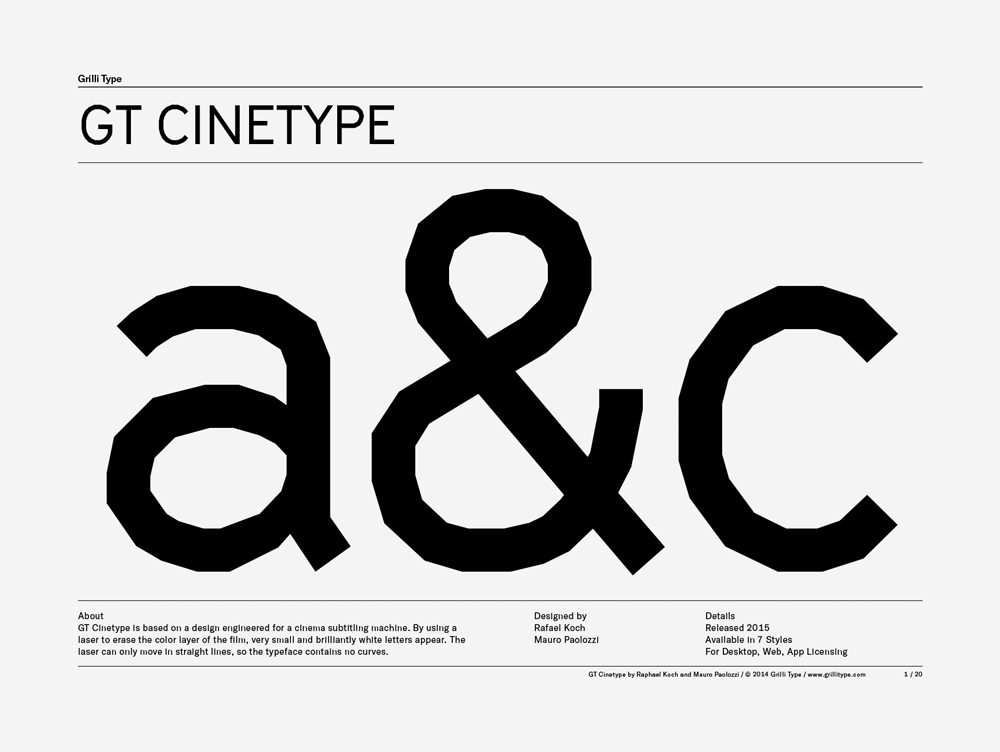
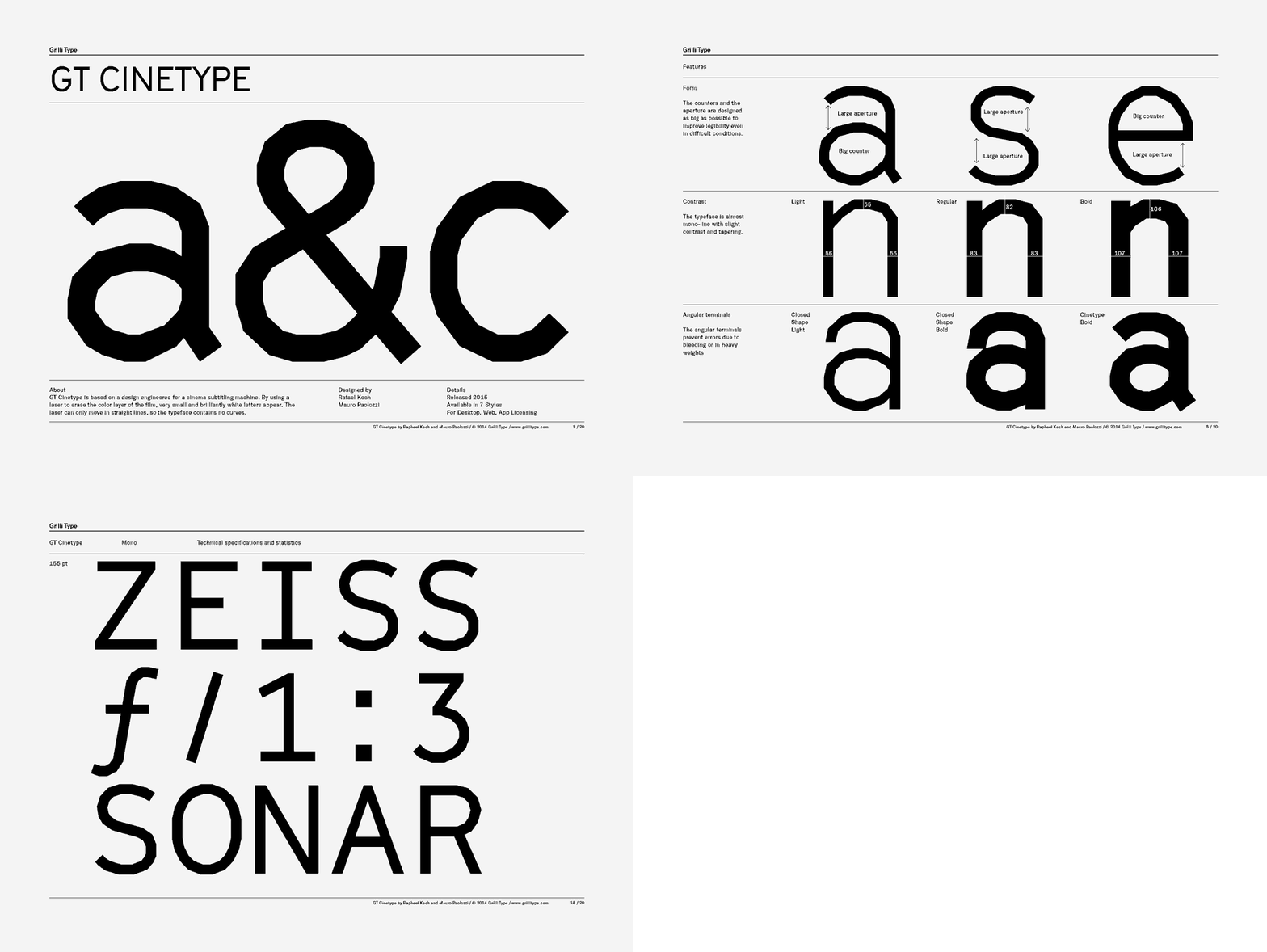
GT Cinetype is based on a design engineered for a cinema subtitling machine. By using a laser to erase the color layer of the film, very small and brilliantly white letters appear. The laser can only move in straight lines, so the typeface contains no curves.

Latin-alphabet languages: Afaan, Afar, Afrikaans, Albanian, Alsatian, Amis, Anuta, Aragonese, Aranese, Aromanian, Arrernte, Asturian, Atayal, Aymara, Azerbaijani, Basque, Belarusian, Bemba, Bikol, Bislama, Bosnian, Breton, Cape Verdean Creole, Catalan, Cebuano, Chamorro, Chavacano, Chichewa, Chickasaw, Cimbrian, Cofán, Cornish, Corsican, Creek, Croatian, Czech, Danish, Dawan, Dholuo, Drehu, Dutch, English, Estonian, Faroese, Fijian, Filipino, Finnish, French, Frisian, Friulian, Galician, Ganda, Genoese, German, Gikuyu, Gooniyandi, Greenlandic (Kalaallisut), Guadeloupean Creole, Gwich’in, Haitian Creole, Hawaiian, Hiligaynon, Hopi, Hungarian, Icelandic, Ido, Igbo, Ilocano, Indonesian , Irish, Istro-Romanian, Italian, Jamaican, Javanese, Jèrriais, Kaingang, Kala Lagaw Ya, Kapampangan, Kaqchikel, Kashubian, Kikongo, Kinyarwanda, Kiribati, Kirundi, Kurdish, Ladin, Latin, Latvian, Lithuanian, Lombard, Low Saxon, Luxembourgish, Maasai, Makhuwa, Malay, Maltese, Manx, Māori, Marquesan, Megleno-Romanian, Meriam Mir, Mirandese, Mohawk, Moldovan, Montagnais, Montenegrin, Murrinh-Patha, Nagamese Creole, Nahuatl, Ndebele, Neapolitan, Niuean, Noongar, Norwegian, Occitan, Old Icelandic, Old Norse, Oshiwambo, Palauan, Papiamento, Piedmontese, Polish, Portuguese, Q’eqchi’, Quechua, Rarotongan, Romanian, Romansh, Rotokas, Inari Sami, Lule Sami, Northern Sami, Southern Sami, Samoan, Sango, Saramaccan, Sardinian, Scottish Gaelic, Seri, Seychellois Creole, Shawnee, Shona, Sicilian, Silesian, Slovak, Slovenian, Somali, Upper and Lower Sorbian, Northern and Southern Sotho, Spanish, Sranan, Sundanese, Swahili, Swazi, Swedish, Tagalog, Tahitian, Tetum, Tok Pisin, Tokelauan, Tongan, Tshiluba, Tsonga, Tswana, Tumbuka, Turkish, Tuvaluan, Tzotzil, Venetian, Vepsian, Võro, Wallisian, Walloon, Waray-Waray, Warlpiri, Wayuu, Welsh, Wik-Mungkan, Wolof, Xavante, Xhosa, Yapese, Yindjibarndi, Zapotec, Zarma, Zazaki, Zulu, Zuni

Typeface features

OpenType features enable smart typography. You can use these features in most Desktop applications, on the web, and in your mobile apps. Each typeface contains different features. Below are the most important features included in GT Cinetype’s fonts:

  • CASE
  • Case sensitive forms
(ROBOCOP)
  • ONUM
  • Oldstyle figures
10.03.1985
Typeface Minisite
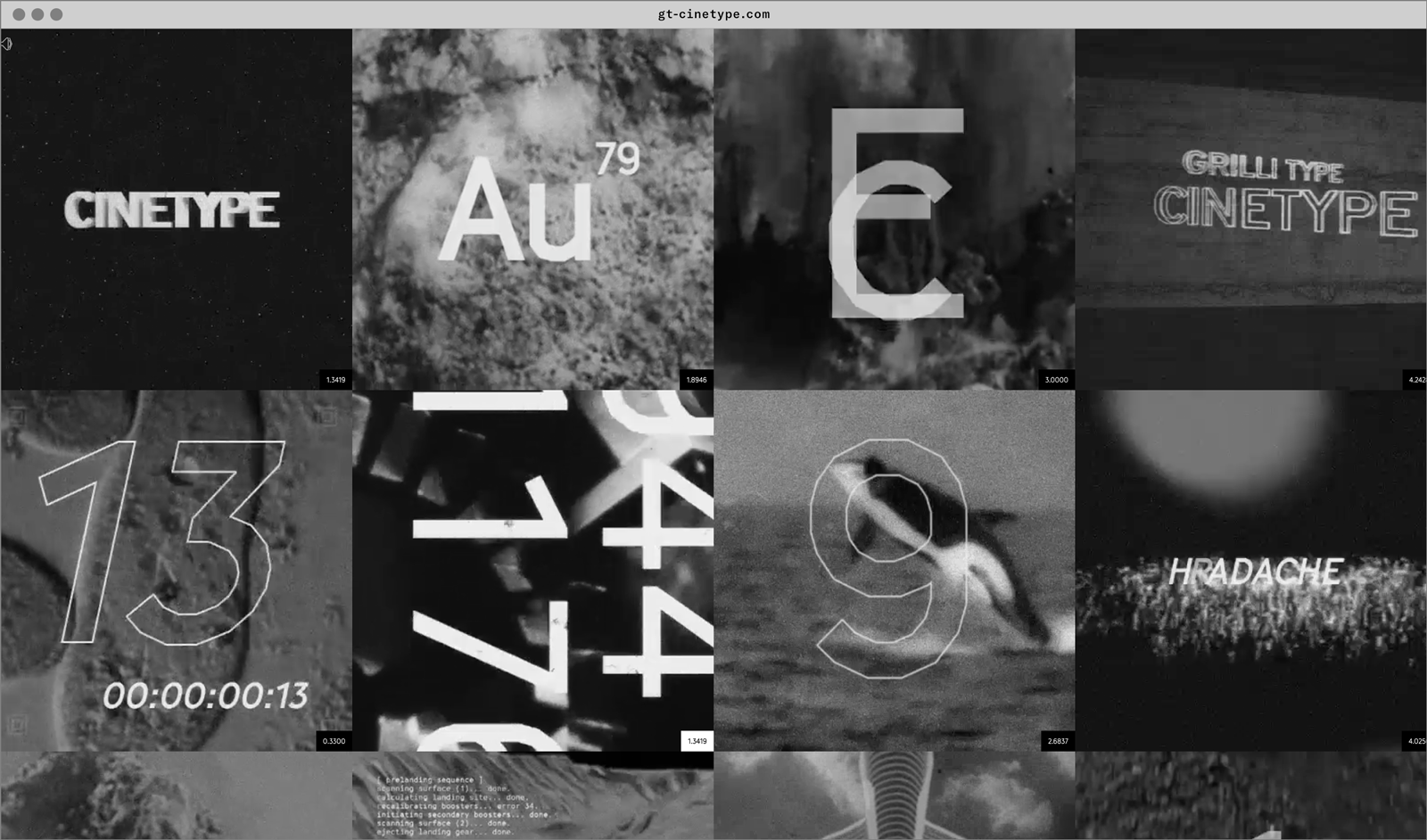
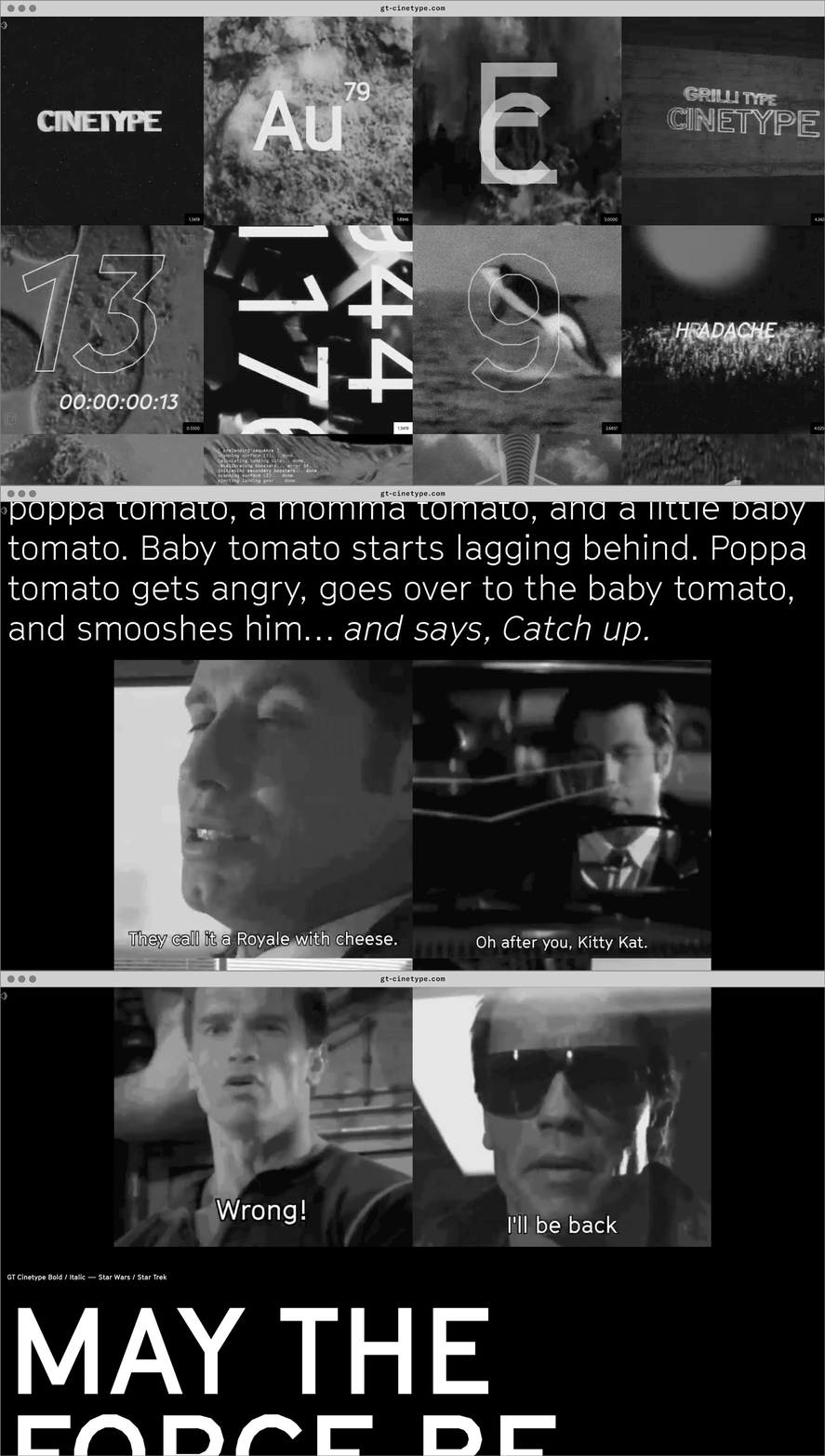
  • Visit the GT Cinetype minisite to discover more about the typeface family’s history and design concept.
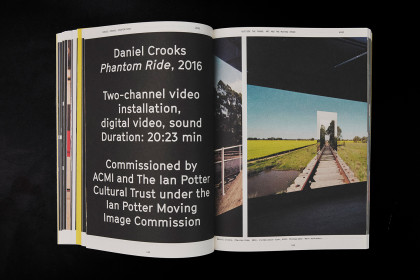
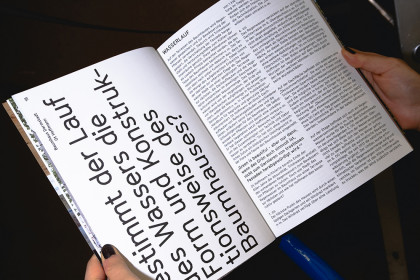
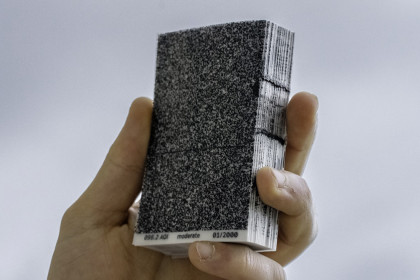
GT Cinetype in use